

 Tel.: +86 138 1321 3202
 E-mail: ariachen@cnhongtaigroup.com

 ENG
 English

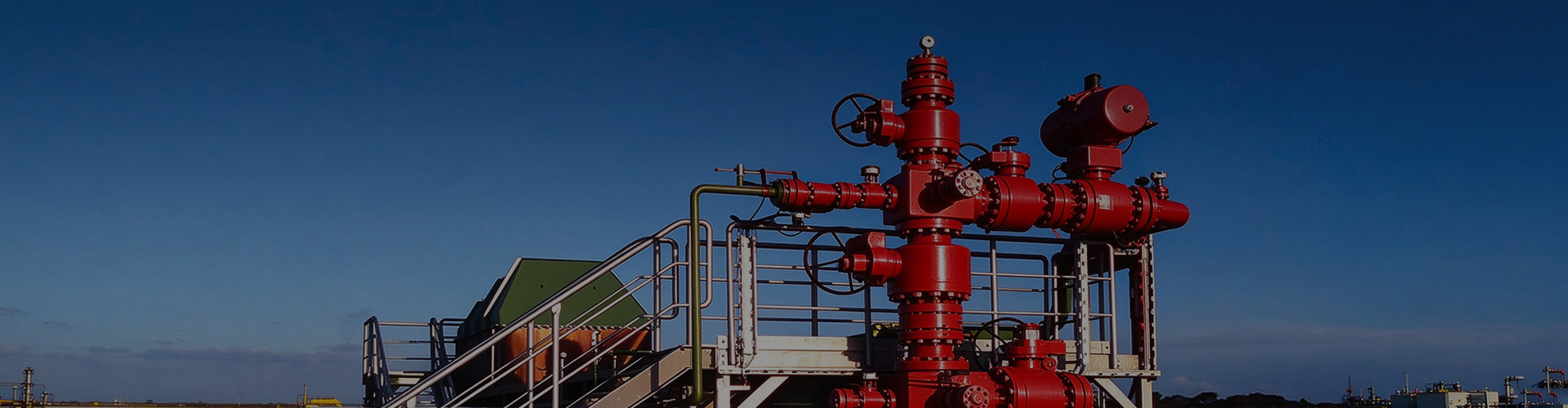
A blowout during drilling is the loss of well control: formation fluid enters the wellbore, the barriers that should hold it back fail one after another, and oil or gas reaches the surface unrestrained. It is a chain of failures rather than one broken part, and the chain usually starts long before anyone on the rig floor notices.
That is why blowout well drilling is treated as a discipline rather than a risk to be insured against. What follows covers the term precisely, the four causes behind most events, the kick indicators that give a crew time to act, the equipment that forms the barrier stack, and the ratings and tests worth checking when you specify or purchase well control hardware.
What Is a Blowout Well?
A blowout well is a well whose formation fluids can no longer be contained, so oil, gas, or brine escapes from the wellbore to the surface or into another formation. The difference between a kick and a blowout is one of scope, not kind: a kick is an influx you can still control, a blowout is an influx you cannot.
A kick begins when the drilling fluid pressure drops below the formation's pore pressure. If the crew shuts the well in, circulates the influx out, and restores the mud column, the event ends as a kick. If shut-in fails or is delayed, the same influx becomes a blowout, and the vocabulary shifts again depending on where the fluid goes.
Four Causes That Explain Most Blowouts in Drilling
Almost every blowout during drilling traces back to a mud column that no longer balances formation pressure, followed by one of four failure paths.
Insufficient mud density. Mud is weighted too light for the formation being drilled, or it is diluted by the influx itself, so the hydrostatic head falls below pore pressure and the well starts to flow.
Lost circulation. When mud escapes into a permeable or fractured zone, the annulus level drops, hydrostatic pressure drops with it, and a lower formation can feed the well. Lost circulation and kicks are so closely linked that many operators plan them as a single risk category.
Abnormal formation pressure. A narrow margin between pore pressure and fracture gradient leaves little room between a kick and lost returns. A drilling window only a few tenths of a pound per gallon wide punishes any deviation in mud weight.
Cementing and casing shoe failure. Cement that does not isolate the shoe, or a formation behind pipe, lets fluid channel upward — sometimes days after the cement job looked clean on the pump chart.
Equipment and procedure failures sit behind these four rather than beside them. An untested preventer, a pit volume nobody compared with the previous hour, or a slow decision to shut in each turns a textbook kick into a blowout.
Matching Equipment Ratings to Real Well Conditions
Pressure rating is the first filter in any well control purchase, but it is never the only one. Two assemblies with the same 15,000 psi nameplate can behave very differently on a sour, hot, high-pressure well.
Pressure class and test pressure. Working pressure defines the service limit; test pressure is what the hardware must survive on the stump. Ask for both, and for the record.
Temperature class. Elastomers and seats are qualified across a defined range, from roughly -46 °C to 121 °C for common classes and higher for special ones. A preventer rated for a temperate well is not automatically acceptable for a hot gas well.
Material class. H2S and CO2 content determines whether standard carbon steel is acceptable or whether wetted parts must meet a sour-service specification.
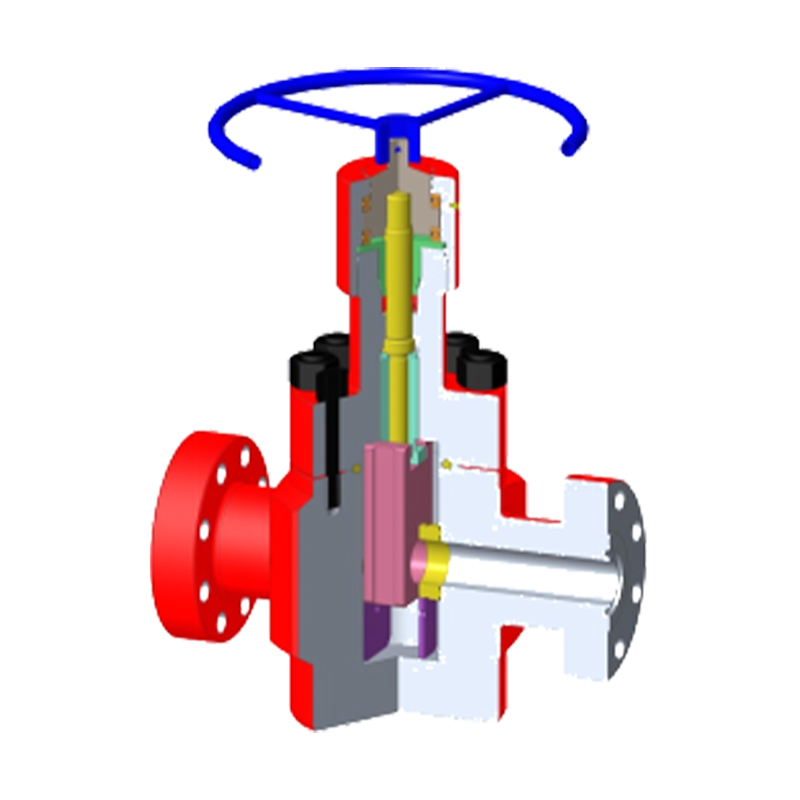
Product specification level. PSL levels set how much extra testing and documentation is required, and they are the practical difference between a valve for general service and one for critical well control duty.
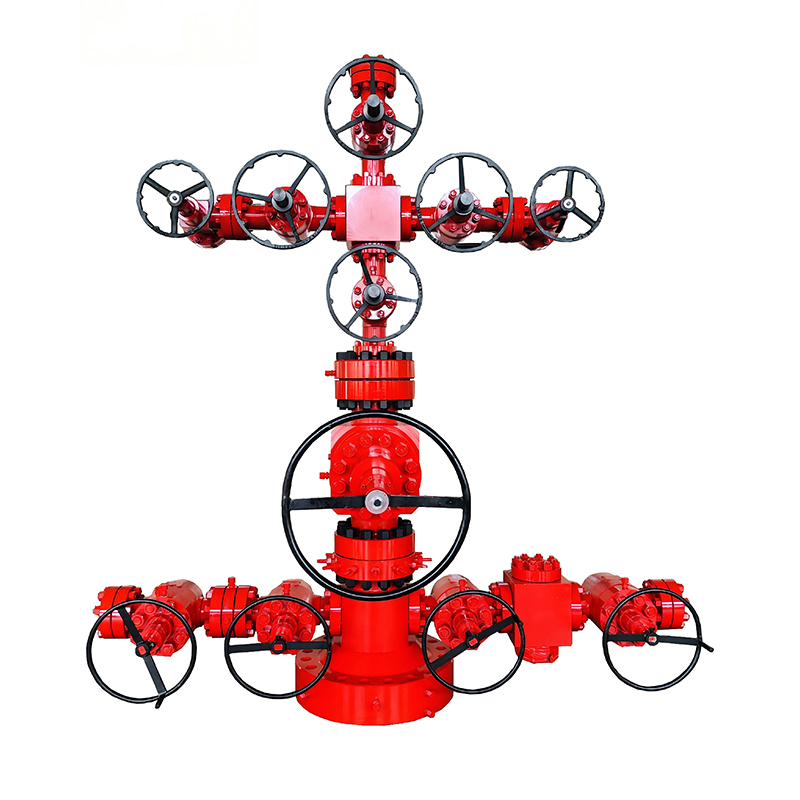
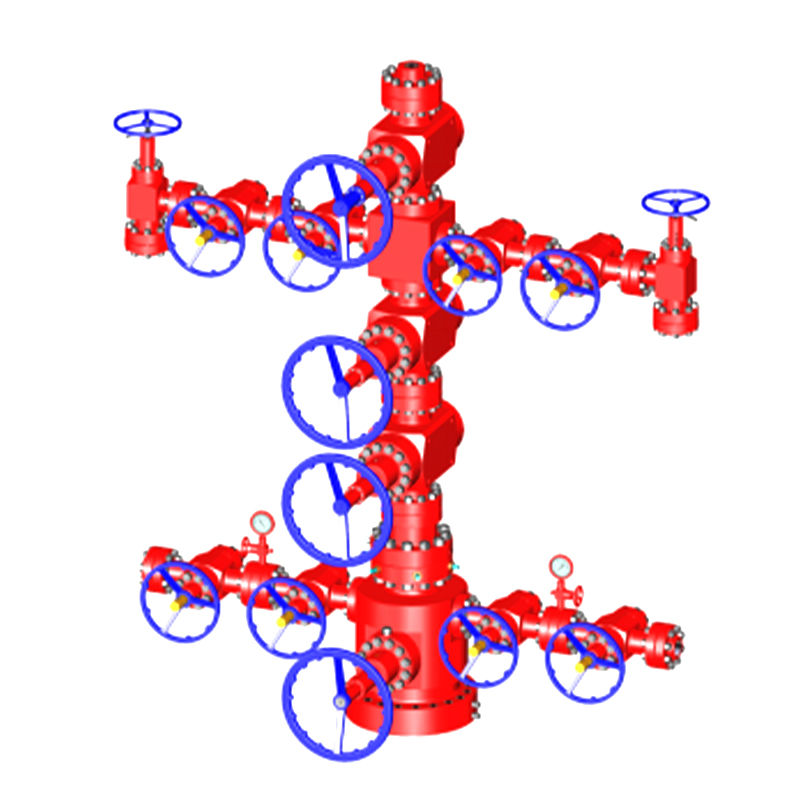
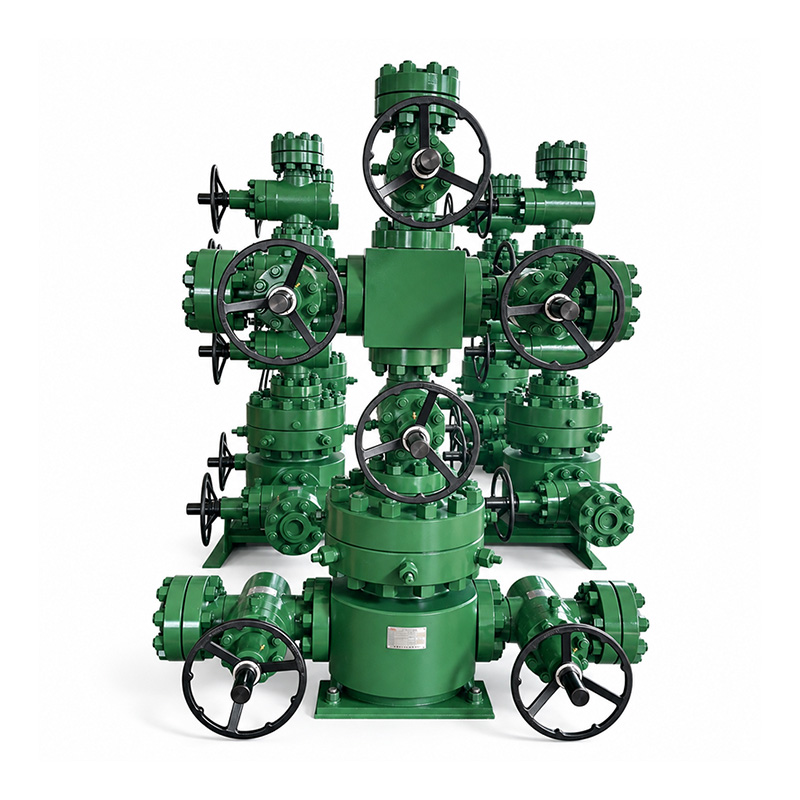
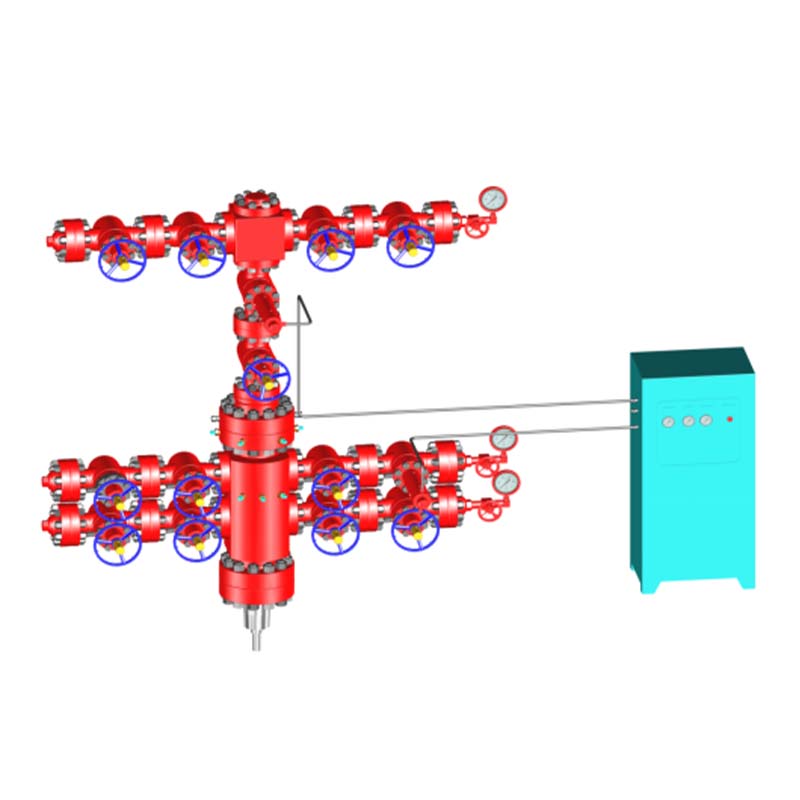
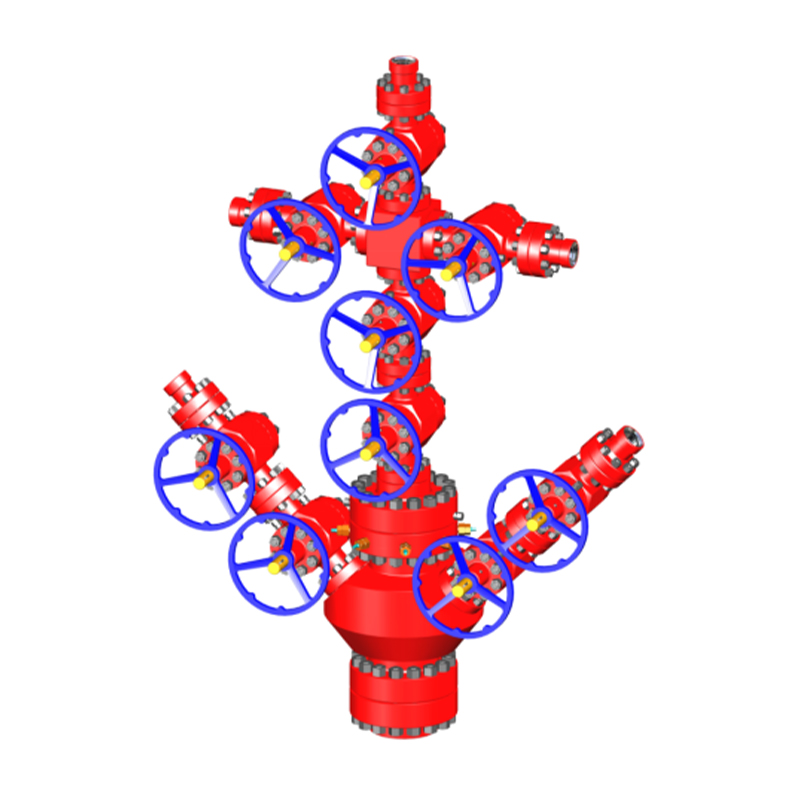
The wellhead beneath the stack deserves the same scrutiny as the preventers above it. It carries the casing strings, sees the same formation pressure, and is the last barrier before fluid reaches surface.



 ariachen@cnhongtaigroup.com
 No. 99, Huanghe Road, Funing Economic Development Zone, Jiangsu Province, China
